Thursday, October 17, 2019

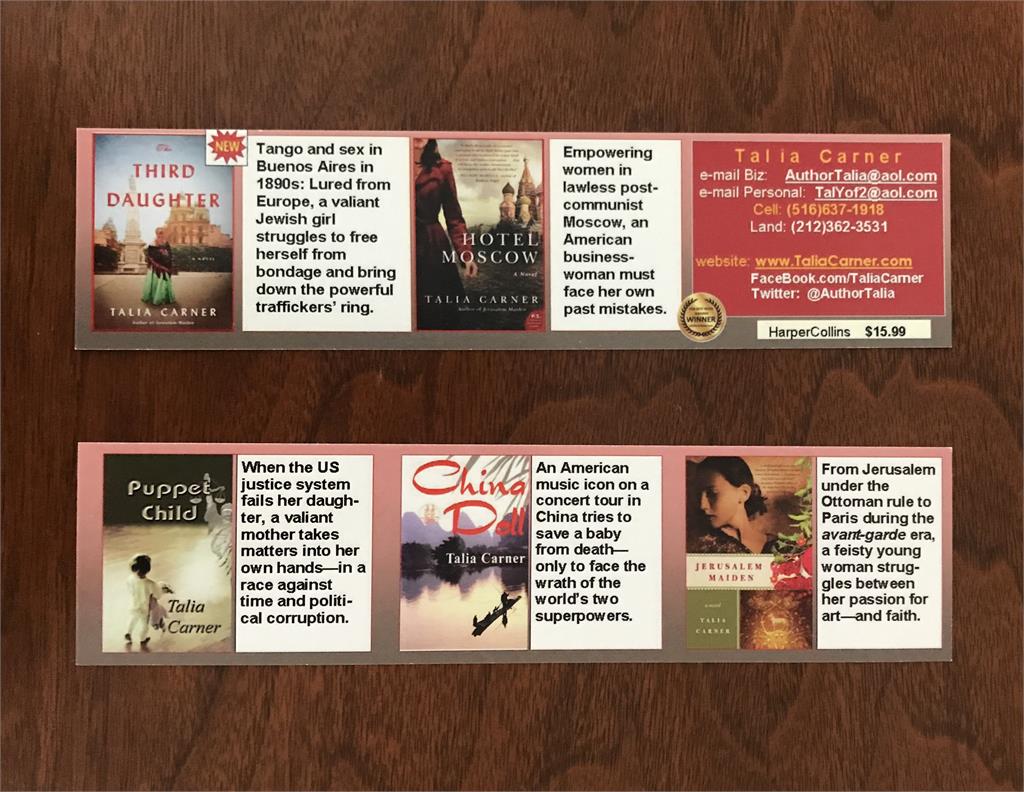
THE THIRD DAUGHTER is making waves!

First, I'd like to wish those of my readers, friends, and followers who celebrate the New Year, a healthy and peaceful one! And may we all find time to read more books!
THE THIRD DAUGHTER is making waves!
Second printing!
A month after the release of my novel #5, THE THIRD DAUGHTER is going into a second printing--and garnering great reviews by prestigious literary sources:

 *  The New York Journal of Books: "The character of Batya is a satisfying heroine, strong, resilient, brave, and vulnerable. The Third Daughter is a tribute to the women who endured... An important book!"

Library Journal: "Recommended for its complex characters and a story based on a little-known part of history." 

The Jewish Book Council: "Care­ful­ly researched and metic­u­lous­ly nov­el­ized....Carn­er is adept at illu­mi­nat­ing the injus­tices that women are subject to.... The brave, resource­ful, loy­al and fierce, protagonist is a Jew­ish hero­ine who shines bright­ly like a Shabbat candle..."
  * Bloggers, too, rave about the novel. Please read more reviews here.

What is this historical novel about--and what sets it apart?
Set in the late 1800s in Buenos Aires, THE THIRD DAUGHTER is a story of a young Jewish woman lured under false promise of marriage from Russia to South America, where she's forced into prostitution. With faith and fortitude, she struggles to free herself, while trying to bring down the powerful traffickers' ring.

Historically correct, THE THIRD DAUGHTER was inspired by Sholem Aleichem's short story, The Man from Buenos Aires, that appeared in the same collection as Tevye the Dairyman. I invented the story of one of Tevye's daughters after the family flees a pogrom (--a sequel to Fiddler on the Roof.) They meet this mysterious, shady man, who lures the daughter from Russia to Argentina with a false promise of marriage--only to force her into a brothel.  

Zwi Migdal was a legal union of traffickers headquartered in Buenos Aires, that operated with impunity for 70 years. THE THIRD DAUGHTER is a tribute to the estimated 150,000 to 200,000 Jewish girls and women whose haunting voices impelled me to tell their truth....

But as the iconic Phyllis Chesler writes in her endorsement, the novel has "a satisfying, redemptive ending!"

Radio, Podcast and TV interviews:
This past month was filled with radio, podcast and TV interviews. It's a delight to speak with hosts who have read my new novel and are enthusiastic to share information about it with their listeners and viewers.

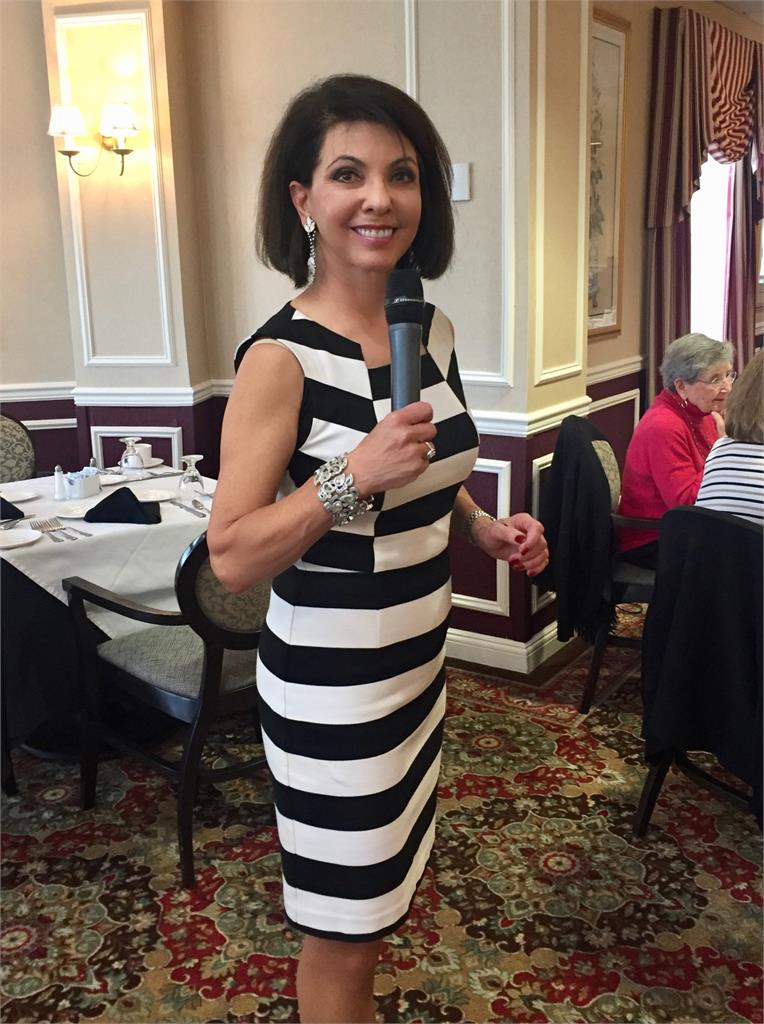
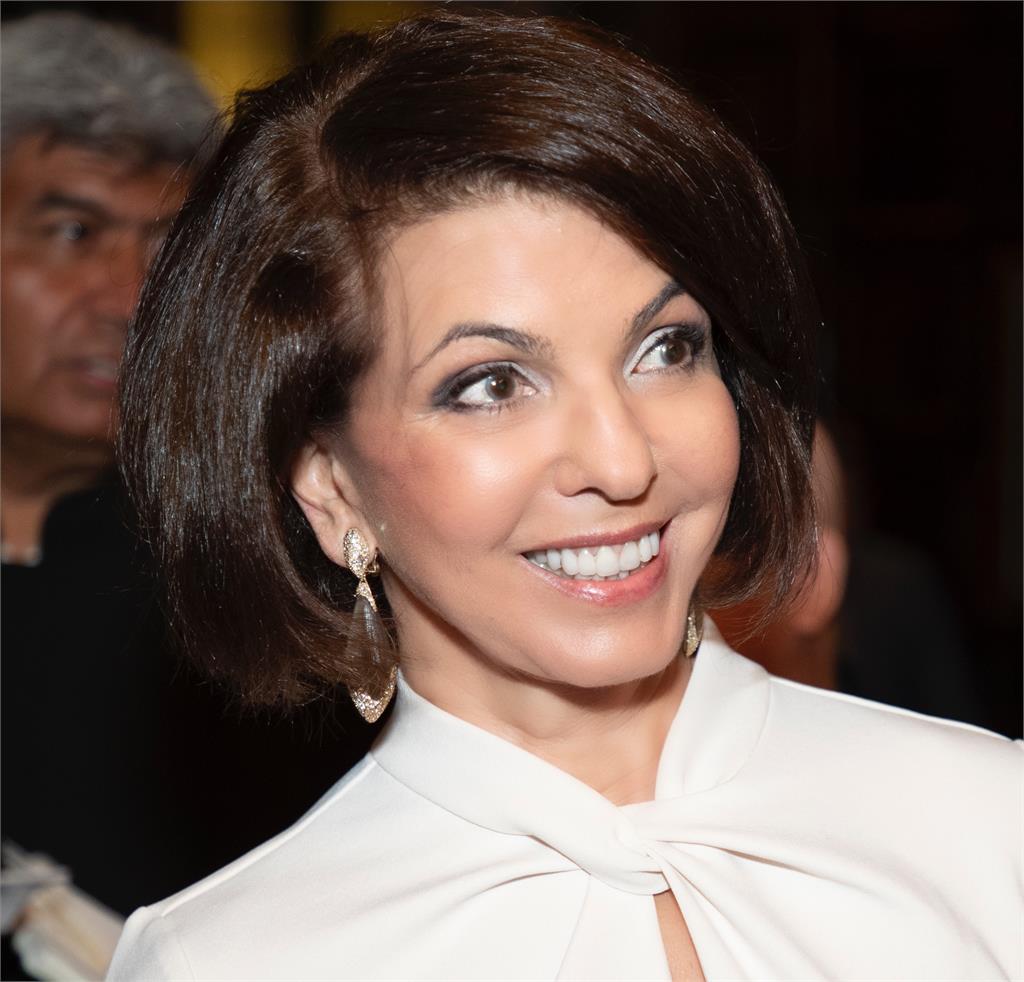
In the photo, I am being miked for an interview on Linda Frank's program, "The Writer's Dream." 

Book groups are selecting the novel!
THE BUZZ IS ON!
Reading groups are always on the lookout for a book that will provoke thinking and be a great conversation starter. The social issue of sex-trafficking--and the historical secret revealed in THE THIRD DAUGHTER-- are sure to generate a lively discussion.

And I am always game to join a part of the meeting by phone or by Skype.

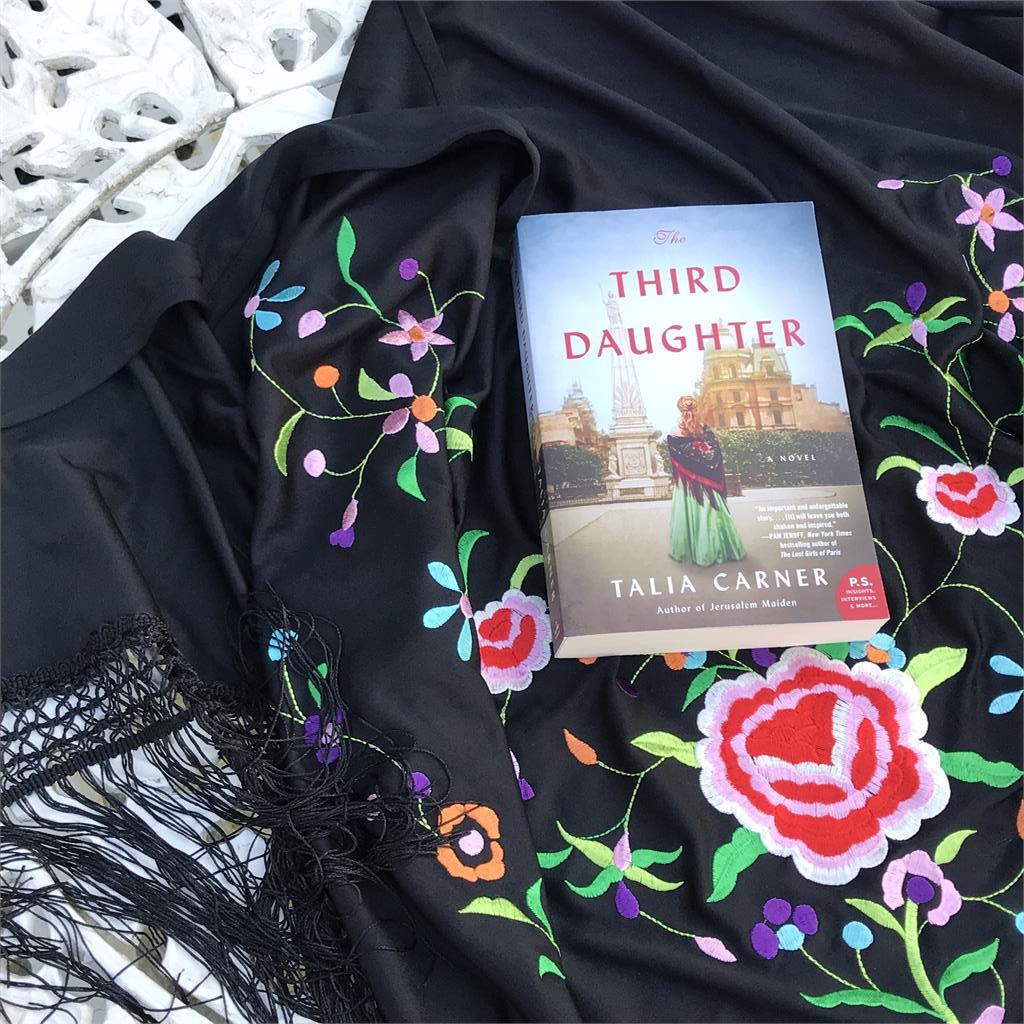
In a special promotion, all groups that sends a photo of members holding their copies of the novel (or the digital covers) will participate in a monthly drawing of an embroidered Spanish shawl! It is a replica of the one worn by the protagonist on the cover of the book,. 

Please write to me at AuthorTalia@aol.com to schedule my visit--and/or to send your photo.  

Please join me in person to hear the story behind the story:
My book tour has started with several successful speaking events already behind me, while invitations are still coming in for this Fall--in East Hampton, NY, NJ, and PA. This winter, you'll find me in FL and beyond, but that list is too long to post here, so please check my Book Tour page.

Wednesday, October 16, 2019, 11:30 AM
Annual Fundraising Literary Luncheon
Brandeis National Committee
Greater Hartford
160 Country Club Rd, Avon, CT 06001

Wednesday, October 16, 2019, 7:00 PM
“Meet The Author”
Redding, CT

Saturday, October 19, 2019, 6:00 PM
Book party
68 Park Place (Behind BookHampton, off Main Street)
East Hampton, NY 11937

Thursday, October 24, 2019, 7:00 PM
Book Club discussion
8415 3rd Ave
Brooklyn, NY 11209

Thursday, November 7, 2019 1:00 PM
Literary Tea in honor of Jewish Book Month
410 Montgomery Ave, Wynnewood, PA 19096

Wednesday, November 13, 2019, at 7:00 PM
Stamford Hadassah & Beth-El Sisterhood
Temple Beth El,
350 Roxbury Road,
N. Stamford, CT 06902
(No charge, but please register.)

Sunday, November 17, 2019, 11:30 AM
Book & Author Luncheon
Nathan Cember Memorial Lecture Series
Nyack, NY

Sunday, December 15, 2019, 10:00 AM
Literary event 
225 Fox Blvd
Merrick, NY

Wednesday, December 18, 2019, 9:30 AM
Bagel & Book
Hadassah The Cascades (and others)
Clubhouse at the Cascades
6601 Cascades Isle Blvd, Boynton Beach, FL
(To schedule an event with me, please contact my event coordinator, Lisa Bernard at MecoxHudson@gmail.com or (203)919-8406 )
Thank you for your interest and support,

Talia

www.TaliaCarner.com


 P.S. You may read the first chapter of THE THIRD DAUGHTER on my website--and of course, order at your local indie store, on B&NAmazon, and iTunes.

P.P.S. The novel is available also in LARGE PRINT!

Sunday, September 15, 2019

THE THIRD DAUGHTER broke out of the gate!!!


It's my new baby!!!

On September 3rd, HarperCollins released the novel and joined me in hosting an exciting party at the NYC Friars Club. In attendance were my publishing team, journalists, celebrities, authors--and representatives of anti-sex-trafficking organizations.


A fascinating story never before told!
THE THIRD DAUGHTER was inspired by Sholem Aleichem's short story, The Man from Buenos Aires, that appeared in the same collection as Tevye the Dairyman. I invented the story of one of Tevye's daughters as the family flees a pogrom (--a sequel to Fiddler on the Roof.) They meet this mysterious, shady man, who lures the daughter from Russia to Argentina with a false promise of marriage-- only to force her into a brothel.  

Zwi Migdal was a legal union of traffickers headquartered in Buenos Aires, that operated with impunity for 70 years. THE THIRD DAUGHTER is a tribute to the estimated 150,000 to 200,000 Jewish girls and women whose haunting voices impelled me to tell their truth....

But as one reviewer writes, the novel has "a satisfying, redemptive ending!"

Bloggers are raving about the novel:
Bloggers who received an Advanced Reader Copy (ARC) of THE THIRD DAUGHTER have posted enthusiastic reviews and recommended the novel to their followers. 

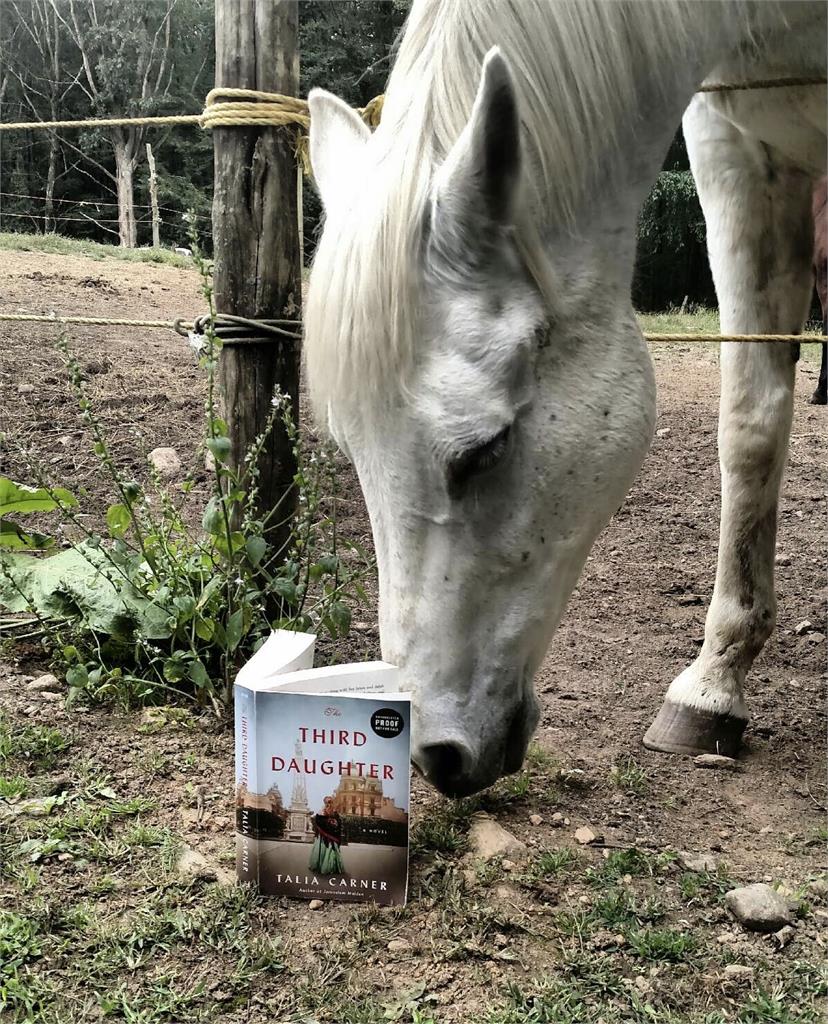
They also take creative photos of the book! Here are some quotes:

"...this novel had me hooked until the very last page...! Carner’s storytelling ability was fantastic and you will feel like you are right in the middle of Buenos Aires...."
--Girly Book Club


"This novel is as gripping as her previous books…. I found myself wanting to know what would happen next. The book was well written and the main character was easy to admire…"
--Doing Dewey Decimal


"Carner has done wonderful research to bring us this important and unforgettable story of exploitation and empowerment….She is an excellent story-teller who brings history and imagination together to fictionalize the true history of young Jewish girls who were forced into prostitution in Buenos Aires."
--Amos Lassen


"...it was moving without being too sentimental or emotional…. Carner captured the atmosphere of Buenos Aires and Batya’s despair and fortitude...."
--Julz Reads


"Talia Carner has written a raw, heartbreaking, disturbing, and important story….it is engaging and entertaining …. Batya was such a sympathetic character..."
--Audio Killed The Bookmark


Please click for more reviews.


Book clubs' promotion
A good book club selection is one that is more than well-written. It must provoke thinking and be a superb conversation starter. The social issue of sex-trafficking and the historical secret revealed in THE THIRD DAUGHTER are guaranteed to generate a lively discussion.

In the coming months, any group that sends a photo of members holding their copies of the novel (or showing the digital covers) will participate in a monthly drawing of a replica of the Spanish embroidered shawl worn by the model on the cover of the book, an outfit that followed the description of Batya's clothes. 

(The group that wins the magnificent shawl may pre-decide who will be its final owner--the hostess? A birthday girl? One who reached a fund-raising goal?)

Of course, I will be delighted to Skype or phone into the meeting. Please write to me at AuthorTalia@aol.com to schedule--and/or to send your photo.
  
My anti sex-trafficking campaign.
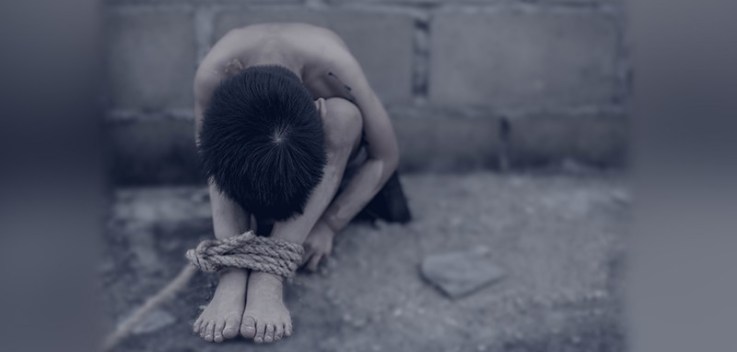
While THE THIRD DAUGHTER takes place in the late 1800s, the methods used by traffickers today are, sadly, the same. Human misery increases the supply of desperate girls and women (and some boys) eager to believe the promise of "America." But 1/3 of traffic victims are USA-born, with recruitment age being 12-14 years old!

I've teamed up with about 20 anti-sex-trafficking organizations that deal with the many aspects of sex-trafficking. A page on my website explains the problem in detail and offers links to activism. YOU CAN DO SOMETHING to fight it in your own backyard!

Event organizers who invite me to keynote may ask me to use the stage to educate their audience about the roles of airlines, schools, businesses, hotels, sports arenas, prisons and banks in sex trafficking—and in the efforts to abolish it. (Or, they may choose other aspects of the novel as described below.)

What if the subject is just too much for our audience?
Another fascinating backstory of THE THIRD DAUGHTER is the little-known history of Argentine Jewry. How did Argentina become the third largest Jewish community in the world? 

It is due to the vision and unprecedented benevolence of one man, Baron Maurice de Hirsch, who, in the 1880s, bought the freedom of hundreds of thousands of Jews from the Czar. He bought huge tracts of land in Argentina, established agricultural colonies, and shipped the beleaguered Jews to their new home. 

And then there is the larger topic of the creative process: Readers often ask me how do stories find me? And what do I do once they implant their seeds in my brain? The answer: I take a skeleton out of the closet and dance with it. The skeleton being the many social issues around the globe that vie for attention.

Please discuss the topics with my Events Coordinator, Lisa Bernard, at MecoxHudson@gmail.com or (203)919-8406

Don't miss my upcoming appearances:
Here are the events in Fall 2019 in NY, NJ,and PA. Please check my Book Tour page for winter 2020 in Florida, and spring 2020 in Metro New York and Maryland/ Washington DC (--and keep checking periodically for additional events.)

Tuesday, September 17, 2019, 11:30 AM
Book & Author Luncheon
Women’s Club of Glen Cove
Sea Cliff Yacht Club
42 The Blvd, Sea Cliff, NY 11579
BY INVITATION ONLY

Wednesday, October 2, 2019, 7:00 PM
Hadassah-Brandeis Institute
Brandeis University
Women’s Studies Research Center, Epstein Building
515 South Street,
Waltham, MA
OPEN TO THE PUBLIC (RSVP: NLeonard@brandeis.edu (781)736-8110)

Thursday, October 3, 2019, 10:00 AM
20th Anniversary Celebration
The Miriam Fund
Combined Jewish Philanthropy of Greater Boston
Hebrew College
160 Herrick Road,
Newton Centre, MA
BY INVITATION ONLY

Wednesday, October 16, 2019, 11:30 AM
Annual Fundraising Literary Luncheon
Brandeis National Committee
Greater Hartford
Golf Club of Avon
160 Country Club Rd, Avon, CT 06001
OPEN TO PUBLIC (Pre-registration required)

Wednesday, October 16, 2019, 7:00 PM
“Meet The Author”
Mark Twain Library
Redding, CT
PUBLIC INVITED!

Thursday, October 24, 2019, 7:00 PM
Book Club discussion
BookMark Shoppe
8415 3rd Ave
Brooklyn, NY 11209

Thursday, November 7, 2019 1:00 PMLiterary Tea in honor of Jewish Book Month
Main Line Reform Temple/ Beth Elohim
410 Montgomery Ave, Wynnewood, PA 19096
OPEN TO THE PUBLIC

Wednesday, November 13, 2019, at 7:00 PM
Stamford Hadassah & Beth-El Sisterhood
Temple Beth El,
350 Roxbury Road,
N. Stamford, CT

Sunday, November 17, 2019, 11:30 AMBook & Author Luncheon
Nathan Cember Memorial Lecture Series
Congregation Sons of Israel (CSI)
Nyack, NY

Tuesday, November 19, 2019, 10:00AM
Book Discussion, THE THIRD DAUGHTER
Blue Door Books
501 Central Ave,
Cedarhurst, NY

Sunday, December 15, 2019, 10:00 AM
Literary event 
Merrick Jewish Center
225 Fox Blvd
Merrick, NY
OPEN TO THE PUBLIC

Wednesday, December 18, 2019, 9:30 AM
Bagel & Book
Hadassah The Cascades (and others)
Clubhouse at the Cascades
6601 Cascades Isle Blvd, Boynton Beach, FL

Don't see an event in your area? Organize one, or ask your JCC, synagogue, civic and educational organization to invite me. (JCCs and some synagogues are members of the Jewish Book Council, and can be booked through it.) And/or contact my events coordinator, Lisa Bernard at MecoxHudson@gmail.com , (203)919-8406

Ready for a literary adventure?
If you haven't yet read THE THIRD DAUGHTER, please order your copy in any format—print, digital, audio or LARGE PRINT. (All my novels are published as trade paperback to keep the price down.)
Please ask your library, too, to add it to their list.
Either way, I have lots of bookmarks for you and your friends. Please write to me at AuthorTalia@aol.com.
 
Thank you for your interest and support,
Talia
www.TaliaCarner.com


 P.S. You may read the first chapter of THE THIRD DAUGHTER on my website--and of course, order at your  local indie store, on B&N,  Amazon, and iTunes.

Saturday, May 18, 2019

Sex and tango in Buenos Aires in the late 1800s


THE THIRD DAUGHTER, a new novel

In my new novel I dared enter an arena never explored before....             
              
It took enormous courage for me to write THE THIRD DAUGHTER and to expose a buried, tragic chapter in history in which estimated 200,000 women were deceptively lured from Eastern Europe into prostitution in South America during the late 19th and early 20th centuries.

The whispers of millions of girls and women ensnared into sexual slavery grew into loud cries in my head until I had to give them a voice. It took research, but also maturity, compassion and skill to follow the thread that turned THE THIRD DAUGHTER into a story of courage in the face of danger and hope in the face of despair.

The novel will be released on September 3rd by HarperCollins. (It is available for pre-order wherever books are sold.)


Summary of THE THIRD DAUGHTER:   
       
The turn of the 20th century finds fourteen-year-old Batya in the Russian countryside, fleeing with her family from endless Jewish massacres. Desperate, her father leaps at the opportunity to marry Batya to a worldly, wealthy stranger who can guarantee his daughter an easy life and passage to America. Feeling like a princess in a fairy tale, Batya leaves her old life behind as she is whisked away to a new world. But soon she discovers that she’s entered a waking nightmare. Her new “husband” does indeed bring her to America: Buenos Aires, a vibrant, growing city in which prostitution is not only legal but deeply embedded in the culture. And now Batya is one of thousands of women tricked and sold into a brothel.

As the years pass, Batya forms deep bonds with her “sisters” in the house as well as some men who are both kind and cruel. Through it all, she holds onto one dream: to bring her family to America where they will be safe from the anti-Semitism that plagues Russia. Just as Batya is becoming a known tango dancer, she gets an unexpected but dangerous opportunity—to help bring down the criminal network that has enslaved so many young women yet has been instrumental in developing Buenos Aires into a major metropolis.


This shameful chapter in history is true!   
              

For 70 years, a legal union of traffickers headquartered in Buenos Aires operated with impunity. Zwi Migdal’s members--well-dressed men, speaking Yiddish and flaunting their success--returned to visit their native Eastern European communities on recruitment expeditions. They offered marriages and jobs in the New World, but instead kidnapped these girls and women and forced them into prostitution.

Protected by the Argentine government's laws (as the state budget relied on taxing the brothels,) Zwi Migdal reported at the turn of the 20th century profits of $50 million a year. In some years they employed up to 30,000 women all across South America, (and reaching New York's Lower East Side.)


The inspiration....       

While there is plenty of English-language material about Zwi Migdal (and a lot more in Spanish,) there is hardly any work of fiction since, in 1909, the Yiddish storyteller Sholem Aleichem published a short story, THE MAN FROM BUENOS AIRES. (You may read its translation on my website.)

Interestingly, this story about a shady businessman who brags about his riches but never reveals the nature of his affairs, appeared in the same story collection as the stories about Tevye the dairyman and his daughters, most known in its theatrical adaptation to FIDDLER ON THE ROOF.

My imagination was fired at the question of what would have happened if, after fleeing a pogrom, Tevye’s unmarried daughter met that shady man from Buenos Aires?


Activism          
              
In the coming months, before the novel's release, I will team up with anti-trafficking organizations, local, domestic and international. As I had done with my previous social-issue-centered novels, I will use THE THIRD DAUGHTER as a platform for speaking opportunities and calls for action.

In my book tour, I will inform audiences what they can do about the evil of human slavery in their own backyard. If your organization sponsors a fund-raiser, a literary event, or any form of public stage from which to educate and inspire, I would welcome your invitation. Please contact my event coordinator, Lisa Bernard, at MecoxHudson@gmail.com, or call her at  (203)293-4741 .

I am looking forward to visiting your community.


Read more on my website....              
My website has been updated to include material about THE THIRD DAUGHTER:

* And the above mentioned Sholem Aleichem's story 


 And finally.... 
              
I can't end this blog without mentioning one more inspiration for THE THIRD DAUGHTER--my late mother's painting. My mother, Reviva Yoffe, was a renowned Israeli artist, and this painting, which she had named "The Tango Dancers," revealed to me something profound about these two characters' relationship. When I struggled with doubts as to whether even tackle the subject of bondage, I found encouragement from my late mother....

Thank you for your interest and support. I am looking forward to reconnecting with you in the coming months. Please email me your questions and thoughts.

Talia Carner


P.S. Please pre-order THE THIRD DAUGHTER now--in print, digital or audio--and help get the buzz going.


Monday, September 10, 2018

A Politically Incorrect Feminist


 A review of Phyllis Chesler's new book, A Politically Incorrect Feminist

No political/social movement can be launched nor hurled forward by the faint-of-hearts. The second wave feminism required no less gumption and fierceness than the first wave. The first-wave feminism—that of the suffragists who won for women the rights to vote and own property—surged with the second wave, which started in the 1960’s and gained momentum in the 1970’s. It sought to broaden women’s rights to equality in family, sexuality and employment and sounded the battle cry for fights in areas unique to women such as reproductive rights, domestic violence, marital rape, paid maternity leave, sexual harassment, affordable child care, and changes in divorce and custody laws.

Paradoxically, civil rights, students’ rights and labor unions often failed to include women within their leadership ranks, nor did they give credence to women’s issues in either their ideologies or policies until feminists fought them internally to be heard and included.

While in this excellent book Phyllis Chesler claims to not have written the history of second wave feminism, she nevertheless does so through her own eyes and personal experiences that were deeply intertwined with the fabric of the movement. She recounts her involvement with almost every aspect of this gut-wrenching years-long struggle, and most importantly, offers an intimate introduction of the many players—their strengths and weaknesses, idiosyncrasies and yes, madness. The battles that raged on the road to women’s liberation were not only against the male hierarchy and dominance of political and social views that held women as childish, given to hormonal fluctuations, and incapable of thinking straight, but also internally. The fire in the belly that fueled feminists’ fervor and made them effective in ultimately achieving many of the movement’s goals burned also in the intensity of their diverse worldviews that often targeted other women. Backstabbing, public shaming, envy and demands for conformity crippled many talented women leaders. Many fell by the wayside, slunk away to lick the wounds inflicted not by their powerful male opponents and their centuries-old beliefs, but rather by their colleagues and fellow Amazonians—often close friends—right inside the movement and in the many organizations that sprouted within it.

Luckily, Phyllis Chesler is one who remained standing through it all, albeit not unscathed. Her personal achievements as a psychologist who confronted the entire industry and forced it to change its perceptions and treatment of women patients is documented not only in this book, but in the astounding success of her ground-breaking book, Women and Madness (a book that was followed by over a dozen other best-sellers, each stepping into arenas no one had ever dared enter before.) Time and again, Chesler paid a personal price when she became the target of envy by those who did not wish to see stars rising within the feminist movement, by those who held the paradoxical idea that for true equality women should not publish over their own bylines (an unimagined demand to be made from male writers,) or by early Lesbians who discredited heterosexual women who chose to marry and become mothers as Chesler did. The reasons for rancor could be many—or any—as Chesler analyzed in her book Women’s Inhumanity to Women, and as I experienced years later in a mini version when I traveled for three weeks with a group of fifty women to the 1995 International Women’s Conference in Beijing: Environmentalists against those who brought plastic forks; blue-collar working women against executives; Lesbians against heterosexuals; non-Jews against Jews; women of color against Caucasians; West Coast women against “Yankees”; health-conscious against coffee-drinkers….

Yes, reading the book reveals that indeed, the movement was created by “bitches, lunatics, prodigies and warriors,” as the subtitle describes. Yet, overall, they were Wonder Women, because they lurched our society forward into the changes of the late 20th century and early 21st century—and to what we are now experiencing as the “third-wave feminism.”

I was younger, yet growing up across the ocean I was unaware of any of these developments when I cultivated my own brand of feminist ideas—and was labeled by some friends “a castrating female.” Later, in New York, when I was drawn into a vicious custody battle, the judge listened to the argument that I should not be allowed to raise my two baby daughters because I had attended a conscious-raising seminar, and as my former marriage counselor—a renowned psychologist—testified against me because I was “a feminist.” At the same time, the judge refused to put into evidence my lawyer’s presentation of the father’s passport proving that he traveled two to three weeks each month. Reading Phyllis Chesler’s book I recalled how, a new immigrant to the USA, I had sought out someone who could explain this. I checked with the local university, where I was studying for my masters’ degree, but in those days of pre- “Women Studies,” which Professor Chesler helped introduce, I couldn’t even articulate what kind of an expert I was looking for. Phyllis Chesler, a psychotherapist and a warrior, and the author of Mothers on Trial: The Battle for Children and Custody, would have been perfect.

The reluctance of women to acknowledge greatness and give credit to feminists who have paved the way for us continues. Several years ago I proposed to the Women National Book Association to honor Phyllis Chesler, a prolific author of eighteen books that changed the landscape of our society and helped shape for the better the lives of millions of women, to receive the Association’s yearly award. Her candidacy was rejected because she was “too controversial.” Controversial because, as she describes in A Politically Incorrect Feminist she demands that American feminists take a stand against the subjugation and brutality that is the lot of hundreds of million women in Muslim countries. Controversial because her unique research of “honor killing” in Western countries of daughters of Muslim families that shame their families by assimilating into Western culture or dare refuse arranged marriages is perceived as politically incorrect against Islam.

Yes, “the personal is political,” and this book that charts the bravery and valor of so many amazing women has inspired me anew to fight for women’s rights and dignity both at home and abroad.


Saturday, March 31, 2018

Public Thoughts To Be Read At The Passover Table

By Talia Carner


This Passover, as we celebrate our ancestors’ freedom from slavery, we reconnect through our most important holiday with our centuries-long traditions. It is incumbent upon us to contemplate the broader concept of freedom and what it means to us as individuals, as members of our immediate communities, and as members of the community of Jews across the globe.

Throughout history, Passover has also been a time of increased blood libels and pogroms against Jews. While Jews celebrated freedom and showed benevolence toward fellow humans, they were reminded how hated they were—hatred so strong that it “justified” killing them by the dozens, thousands, and millions. In these days, as a new wave of anti-Semitism is sweeping over the globe, gathering tsunami-like power, it lands right in Manhattan's UN building. The global Jew-hate fest from Venezuela to Spain—and renewed in Poland—has  metastasized into leading universities, mainstream media, civic organizations, and even Western governments. The tale of the Haggadah we read at the Seder stands to remind us that hate comes knocking on our door first with words, then with economic and academic boycotts, then with biased UN resolutions, and, as in the past, it may end with guns, bombs and incinerators.

Passover also marks spring in our ancient agrarian society, a beginning of a cycle of life, with the blooming of trees and the planting of vegetables and flowers. Spring’s fresh start and the tradition of inviting others to share our bounty at the Passover table reminds us of Israel’s extraordinary achievements in agriculture and science—efficiencies, discoveries and inventions she has shared for decades with over 120 countries to help nourish children, improve global food production, and wipe out starvation.

While these past seventy years Israelis—both civilians and soldiers—have given each Jew everywhere reasons to walk tall and proud, their existential threat from Iran is real.

“Every Jew should consider himself as if he was freed from slavery,” says the Haggadah we read tonight. In today’s climate we should add that “Every Jew should consider himself as if he’s just escaped a terrorist bomb.” There but for the grace of God and twist of history, we would not have been spared the wrath and bombs of Palestinians or extreme Muslim murderers taking shelter in our sacred freedom. Let’s give our prayers and charity to the families who have suffered unimaginable, senseless losses. And as we do, let us search within ourselves whether we have done all we could for them and for the Israeli soldiers who take the first bullet for us.

And while we’re at it, let’s remember our American soldiers on the forefront in the desserts of Iraq and Afghanistan—and the thousands of families who would never get to put their arms around them upon their return.

The tradition of Passover also calls us to invite to the Seder table any Jew who does not have one. Let’s invite—at least in our thoughts—all our Jewish brethren in countries that do not offer the freedom and protection that the USA guarantees us. For them, we can raise our collective voice with indignation and outrage and use our collective power to fight tyranny and fanaticism that calls for our—and their—demise.

Israel’s president Shimon Peres once said that even Ben-Gurion had not dreamed big enough. Let us dream big tonight—stretch our dream to encompass all the vast possibilities, and let us dream tonight of a world of peace.

Let us bless all the good things God has given us so far, and celebrate our resilience and our heritage of strong Jewish values that we have shared with the world over for centuries. And let's allow that dream bring joy to our hearts and to our Passover table.

Amen.

 # # # 

Author Talia Carner's novels are heart-wrenching suspense dealing with social issues. Please read the first chapter of each on her website at www.TaliaCarner.com .

Monday, March 19, 2018

One People--Passover Surprise Guests


            It’s breakfast at Club Med in Mexico. I select a white-chocolate bread, a croissant, and a slice of banana cake for the last time; as of tomorrow, my family and I must stretch my box of matzos for the remaining four days of our stay. Surrounded by a merry crowd in bathing suits and scant coverings—standard daytime apparel here—my heart is heavy. This evening, instead of a Passover Seder at a table laden with fine china, polished silver, and sparkling crystal, I must improvise a Seder on the beach. What kind of message am I giving my children when opting to trump our most important holiday by a resort vacation?
            I approach the Chef-de-Village and ask for a secluded spot where my family and another Jewish couple we’ve met here could conduct a pre-sunset ceremony. He points to a beautiful thatched-roof area over a dance floor, facing the sea. “Anything else I can do?” he asks.
            “A bottle of sweet red wine, please?” Besides the box of matzos and a silver kiddush cup, I packed a dozen Hagadahs and baby-blue yarmulkes stamped with the date of our youngest daughter’s bat-mitzvah. I write down my recipe for charoset, a chopped mix of peeled apples, walnuts, pecans and dates, all flavored with cinnamon, honey and red wine.
            Moments later, I am surprised to hear him over the PA announcing that all who wish to participate in a Seder, should meet at five o’clock at the designated area.
            I cringe and glance around at the crowd, busy picking from mounds of fried bacon and pork sausages. Is someone cracking a comment about the invasion of the Hebs? No one seems to pay attention, and I decide that throughout history, Jews in far more dire conditions managed to celebrate Passover. So will my family, down to the lengthy reading of the Hagadah, the yearly retelling of the Israelites’ exodus from Egypt.
            At lunch, a sous-chef presents me with an industrial-size baking tray filled with charoset. Imagining that most of this huge quantity will be baked in tomorrow’s pies, I dip a spoon into the mix. The familiar taste of Passover festivity is already inside me. “May I also have a plate with a hard-boiled egg, a lamb bone, horseradish, and sprigs of parsley?” I ask. “And a cup of salt water?”

            The sun is still high when I drag my family off the beach to shower and dress in what passes in Club Med for evening attire—shorts and Polo shirts for men; white slacks or gauzy dresses for women.
            At five o’clock we arrive at the dance platform, carrying my Passover paraphernalia. To my annoyance someone must have double-booked the place, as dozens of his guests, dressed for a pre-dinner party are hanging about. “Now we must go look for another quiet spot,” I mutter, and go search for the sous-chef to locate my tray of charoset and Passover plate.
            In a cluster of people, I spot the couple we have invited and wave.
            As they wave back, some guests turn toward me, smiling. Only then it hits me: All these people are here for my little Seder!
            As my husband counts them—a hundred and forty—more bottles of wine and crates of glassware are brought from the kitchen. We place the Seder plate in the center of a table covered with a white tablecloth and dedicate my kiddush cup for Elijah. We break my matzos into the smallest pieces, and ladle charoset onto serving plates.
            Then we distribute the twelve Hagadahs—the story of Passover told in biblical Hebrew. I watch as Jews from South American countries speaking Spanish and Portuguese, Jews from France and Austria and Israel, speaking French, German and Hebrew, and Jews from North America, Australia and Great Britain speaking English, all squeeze close around their respective single Hagadah. A man from Venezuela assumes the role of the Seder leader—luckily his pronunciation is the Sephardi version, that of spoken Hebrew, not the archaic Ashkenazi version of most USA synagogues—and we begin taking turns reading aloud, with the congregants responding when called to do so. The Sepharadis chant their melodious renditions of some of the hymns, and the Ashkenazis respond with their musical versions. Regardless of our home language, we all utter the same ancient Hebrew words, recite the same sages’ arguments, and sing the same prayers. Together, we retell the narrative of liberation from slavery and urge our children to pass it on to theirs, so they, too, will forever appreciate freedom.
            I examine the men’s heads covered with baseball caps, dinner napkins, and my dozen yarmulkes in baby-blue like the undulating sea beyond. For one hour, strangers to one another, we are connected by one culture and unite through the ancient language of our ancestors in a tradition that transcends all geo-political barriers, that has stood up to centuries of persecutions, pogroms, and repeated attempts at our annihilation. “Next year in Jerusalem,” we chant together, expressing our shared vision of the place that for two-thousand years has anchored Jewish faith. For one hour we reassert to ourselves that we are one people. My people.

# # #
Author Talia Carner’s most recent novel, HOTEL MOSCOW, (HarperCollins 2015,) tells the story of an American daughter of Holocaust survivors who travels to Russia shortly after the fall of communism, encounters anti-Semitism, and must come to terms with her parents’ legacy.